
See What 45ft Cargo Worthy Container Tricks The Celebs Are Utilizing
페이지 정보
작성자 Dann 작성일 26-07-12 16:50 조회 3본문
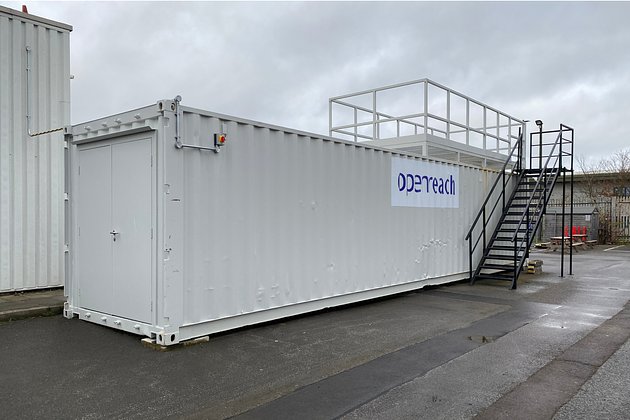
Understanding the 45ft Cargo Worthy Container: A Comprehensive Guide
In the realm of shipping and logistics, containers serve as vital elements that help with the movement of items throughout vast ranges. Amongst numerous container sizes, the 45ft cargo worthy container stands out not only since of its size but also due to its utility and compliance with international shipping standards. This blog post aims to provide a detailed overview of the 45ft cargo worthy container, its requirements, benefits, and frequently asked concerns (FAQs), offering valuable insights for businesses and people associated with shipping.
What Is a 45ft Cargo Worthy Container?
A 45ft cargo worthy container is a big shipping container that determines 45 Ft Shipping Container For Sale feet in length, 8 feet in width, and 9.5 feet in height (standard). These containers are designed to fulfill specific standards set by the International Organization for Standardization (ISO) and are licensed as "cargo worthy," indicating they are structurally sound, complimentary from major damage, and suitable for carrying items securely. They can be used for both domestic and global shipping.
Benefits of Using a 45ft Cargo Worthy Container
Using a cargo worthy container offers several advantages that improve the shipping experience:
Increased Capacity: With a bigger volume compared to standard 20ft and 40ft containers, the 45ft Shipping Container Rental container can accommodate more cargo. This provides businesses the ability to carry larger quantities of products in a single journey.
Boosted Safety: Cargo worthy containers are rigorously evaluated and inspected, guaranteeing they can stand up to the rigors of transportation. Their structural stability offers additional protection for valuable products.
Flexibility in Shipping: The size of a 45ft High Cube Container For Sale container makes it versatile for various cargo types. From bulk materials to equipment and vulnerable products, its roomy interior accommodates varied shipping needs.
Cost-Effectiveness: Although the initial expense of leasing or purchasing a 45ft container might be higher, the ability to deliver more goods at once often equates to decrease shipping costs over time.
Easy Load and Offload: The basic dimensions of the container facilitate efficient filling and unloading procedures, decreasing downtime at ports and storage facilities.
Requirements of the 45ft Cargo Worthy Container
Understanding the specifications of a 45ft cargo worthy container is necessary for determining whether it suits a particular shipping need. The table below highlights essential features:
| Specification | Measure |
|---|---|
| Length | 45 Foot Shipping Container feet (13.72 meters) |
| Width | 8 feet (2.44 meters) |
| Height | 9.5 feet (2.89 meters) |
| Max Gross Weight | 30,480 pounds (13,800 kg) |
| Tare Weight | Roughly 8,130 pounds (3,700 kg) |
| Volume | 3,040 cubic feet (86 cubic meters) |
| Material | Corten Steel |
| Accreditation | ISO Certified, Cargo Worthy |
Keep in mind: Specifications might vary based on makers and container types (e.g., cooled, open-top, and so on).
Types of 45ft Cargo Worthy Containers
There are several different types of 45ft containers based on particular use needs. Typical types include:
Standard Container: Ideal for general cargo and uses a simple solution for shipping a variety of goods.
High Cube Container: A variation that provides an additional foot of height, permitting more cubic capacity. Ideal for large light-weight items.
Reefer Container: A refrigerated unit created for transferring perishables at controlled temperature levels.
Open-Top Container: Used for extra-large cargo that can not fit through basic container doors.
Flat Rack Container: Ideal for transferring heavy or extra-large loads that require to be filled from the leading or sides.
Necessary Considerations
When picking a 45ft Shipping Containers cargo worthy container, here are key factors to think about:
Cargo Type: Evaluate the type of items you are shipping and choose a container accordingly (e.g., use a reefer for perishables).
Destination: Ensure that the container can satisfy any custom-mades or logistical requirements at the destination port.
Accessibility: Check for availability and rental alternatives from shipping lines or container leasing business well beforehand.
Condition: Verify that the container is undoubtedly cargo worthy by examining for any indications of damage or wear.
Expense Implications: Consider both the rental/purchase cost and the capacity for cost savings through larger deliveries.
Regularly Asked Questions (FAQs)
1. How much weight can a 45ft cargo worthy container hold?
- A cargo worthy 45ft container can hold an optimum weight of around 30,480 lbs (13,800 kg). Nevertheless, it is crucial to consider the weight of the container itself (tare weight) when computing overall cargo weight.
2. Can I use a 45ft cargo worthy container for overseas shipping?
- Yes, 45ft cargo worthy containers are designed for both domestic and worldwide shipping.
3. Are 45ft containers offered for purchase?
- Yes, both brand-new and used 45ft cargo worthy containers are offered for buy from various providers and renting companies.
4. What is the cost of renting a 45ft cargo worthy container?
- Rental costs can vary extensively based upon area, condition, and demand. It is suggested to speak with rental business for accurate and updated pricing.
5. Can I customize a 45ft cargo worthy container for my requirements?
- Yes, numerous business offer modifications for containers, such as windows, doors, ventilation systems, and more, tailored to specific requirements.
The 45ft Cargo Worthy Container - Read the Full Write-up, uses a balance of size, security, and adaptability that makes it an important possession in the shipping industry. Whether for industrial freight or individual use, understanding the specifications and benefits of these containers is important for optimizing logistics and guaranteeing goods show up securely at their destination. By keeping informed and preparing carefully, organizations and people alike can efficiently harness the advantages that these containers supply.